

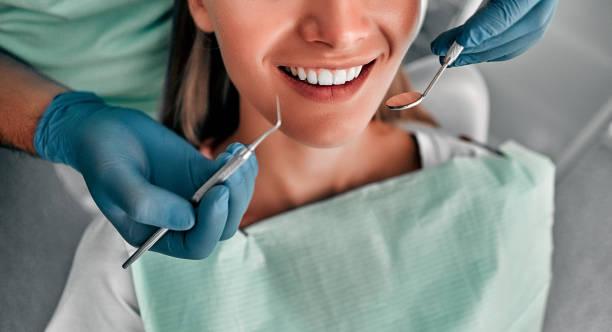

As children grow into teenagers, their dental needs evolve significantly. Adolescent dentistry focuses on guiding teens through this critical developmental stage, addressing changes in oral health, appearance, and habits. With a mix of hormonal changes, dietary shifts, orthodontic concerns, and lifestyle factors, the teenage years require special attention to keep teeth healthy and smiles confident.
In this blog, we’ll explore what adolescent dentistry is, why it matters, and how parents and teens can work together with dental professionals to promote lifelong oral health.
What Is Adolescent Dentistry?
Adolescent dentistry is a specialized branch of pediatric dental care that focuses on the oral health of teenagers—typically from ages 12 to 18. While many teens have their permanent teeth by this stage, they still face unique challenges such as:
- Orthodontic needs (e.g., braces, aligners)
- Wisdom teeth development
- Sports-related dental injuries
- Poor brushing and flossing habits
- Increased risk of cavities due to sugary diets or soft drinks
- Cosmetic concerns like teeth whitening or chipped teeth
Dentists who specialize in adolescent care understand both the physical changes happening in the mouth and the emotional aspects of being a teenager.
Why Adolescent Dentistry Matters
Teenagers are at a pivotal point for establishing lifelong oral health habits. Without proper guidance, they may experience issues that could have lasting consequences. Here’s why regular dental visits during adolescence are crucial:
- Monitoring Growth and Development: The jaw and teeth continue to grow during the teenage years. Dentists can detect misalignment or overcrowding early and recommend treatment.
- Preventing Cavities and Gum Disease: Teens are more likely to indulge in sugary snacks, soft drinks, and poor brushing routines, increasing their risk of decay and gum inflammation.
- Guidance on Oral Hygiene: Adolescents may become more independent but not always consistent with hygiene. Dentists can reinforce best practices and motivate teens to care for their teeth.
- Wisdom Teeth Evaluation: Late adolescence is when wisdom teeth often begin to erupt. Dental x-rays can help determine if extraction is necessary.
- Protecting Teeth During Sports: Custom mouthguards can prevent dental trauma in active teens participating in contact sports.
Common Treatments in Adolescent Dentistry
- Orthodontics
Many teens undergo orthodontic treatment to correct alignment, spacing, or bite issues. Dentists can refer adolescents to an orthodontist for braces, clear aligners, or retainers. - Dental Cleanings and Exams
Regular cleanings help prevent plaque buildup and monitor for early signs of decay or gum disease. - Sealants and Fluoride Treatments
Sealants protect molars from cavities, while fluoride strengthens enamel and reduces decay risk. - Cosmetic Dentistry
Teens may feel self-conscious about their smile. Treatments like whitening (if appropriate), composite bonding, or reshaping can improve aesthetics and self-esteem. - Counseling on Habits
Dentists can address harmful habits like nail-biting, teeth grinding (bruxism), or tobacco use, all of which can damage teeth and gums.
Supporting Teen Oral Health at Home
Parents play a vital role in adolescent dental care, even as teens seek more independence. Here are some tips:
- Encourage twice-daily brushing and daily flossing
- Provide a balanced diet with limited sugary snacks
- Schedule regular dental appointments (every 6 months)
- Promote the use of mouthguards for sports
- Discuss the risks of oral piercings, smoking, and vaping
Final Thoughts
Adolescent dentistry is about more than just cleanings and check-ups—it’s about educating, guiding, and supporting teens through a transformative time in their lives. By working with a dental professional who understands the unique challenges of this age group, both parents and teens can ensure a healthier, brighter future.
A confident smile starts with good habits—and adolescence is the perfect time to build them.