

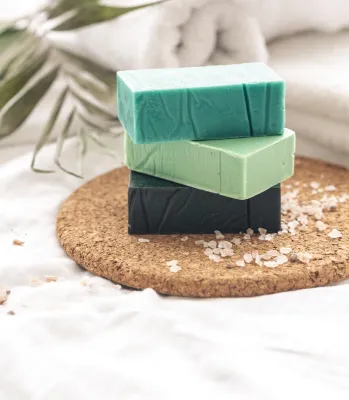

Soap making is a creative, rewarding, and surprisingly simple craft that combines science with artistry. Whether you’re pursuing it as a hobby, launching a small business, or simply want control over the products you use every day, making soap at home can be incredibly fulfilling. However, success in this endeavor depends heavily on the quality and variety of your soap making supplies.
Essential Ingredients for Soap Making
At the heart of any handmade soap recipe are a few core ingredients. Oils and butters form the base of the soap and influence its properties. Common options include olive oil for gentleness, coconut oil for lather and cleansing, palm oil for hardness, and shea or cocoa butter for a rich, moisturizing effect. These fats react with a critical component known as lye, or sodium hydroxide, in a process called saponification. This reaction transforms the raw ingredients into soap.
Another necessary ingredient is distilled water, used to dissolve the lye before it’s mixed with oils. While distilled water is the standard, more experienced soap makers often experiment with other liquids such as herbal teas, goat milk, or even beer to achieve different characteristics in their final product.
Fragrances and Colorants
Adding fragrance is where creativity really shines. Soap makers can choose between essential oils, which are natural and offer therapeutic benefits, or synthetic fragrance oils, which tend to be more consistent and long-lasting. Both options can add a luxurious scent to the soap, provided they are skin-safe and intended for soap making.
Colorants also play a vital role in personalizing your soap. Micas provide vibrant, shimmering hues, while natural colorants like clays, activated charcoal, turmeric, or spirulina give a more earthy, organic look. It’s important to use colorants that are stable and approved for cosmetic use to ensure the soap remains safe and visually appealing.
Additives and Enhancers
Beyond fragrance and color, a variety of additives can enhance the quality and function of handmade soap. Ingredients like finely ground oatmeal, coffee grounds, or poppy seeds can be included for exfoliating properties. Others, such as aloe vera, honey, or goat milk, are known for their skin-soothing benefits and add a luxurious touch to each bar. Decorative elements like dried herbs, flower petals, or swirls of contrasting color are often used to make soaps more attractive for gift-giving or sale.
Tools and Equipment
Having the right tools is essential for both safety and efficiency. A digital scale is necessary for accurately measuring all ingredients, as soap making requires precision. Mixing should be done in heat-resistant containers made of stainless steel or tempered glass, which can safely handle the high temperatures generated during the process.
A stick blender is extremely useful for quickly blending oils and lye into a smooth mixture, while silicone spatulas and spoons make stirring and scraping easy. A thermometer helps monitor temperatures to ensure proper saponification. Soap molds—available in a variety of shapes and materials—hold the soap as it sets. Finally, personal protective gear such as gloves, goggles, and long sleeves should always be worn when handling lye to prevent chemical burns. It’s important to keep your soap making tools separate from your cooking tools to avoid contamination.
Where to Find Quality Soap Making Supplies
Sourcing high-quality ingredients and tools is key to achieving the best results. Many craft stores carry basic soap making kits, but serious hobbyists often turn to online specialty retailers. Trusted websites like Bramble Berry, Bulk Apothecary, SoapScience, and Wholesale Supplies Plus offer a wide range of ingredients and equipment tailored specifically for soap makers. These suppliers also provide detailed product information, which helps when choosing oils or additives based on quality, origin, and intended use. Purchasing ingredients in bulk can be a smart option if you’re planning to scale up production or start selling your creations.
Final Thoughts: A Craft with Endless Possibilities
Soap making combines science, creativity, and a bit of patience to produce something truly useful and personal. With the right soap making supplies, even beginners can create beautiful, fragrant, and skin-nourishing bars of soap. Whether you’re crafting for fun, sustainability, or to start a handmade business, investing in quality ingredients and tools will set you on the path to success. Take your time, experiment with different materials, and enjoy the satisfaction of creating something completely your own.