

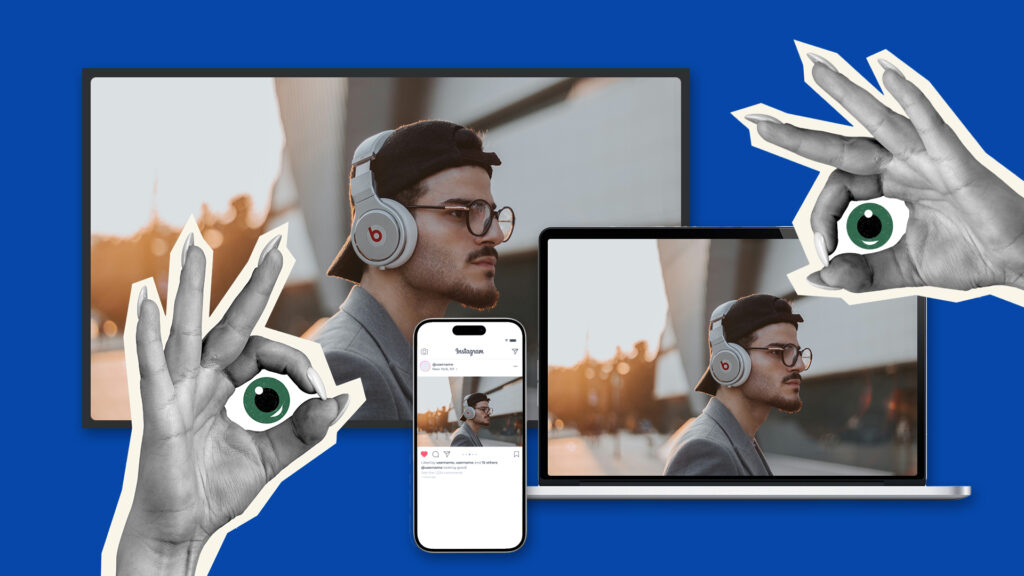

In an era where consumer attention spans flicker like digital fireflies, online video advertising—often abbreviated as OLV—has emerged as a beacon for brands seeking meaningful connections. This dynamic format transcends traditional static ads, offering immersive experiences that resonate on emotional and intellectual levels. As platforms evolve and user behaviors shift, understanding the pivotal role of OLV becomes essential for any forward-thinking marketer. It’s not just about visibility; it’s about forging lasting impressions in a crowded digital ecosystem.
The Shifting Sands of Consumer Interaction
The digital landscape has undergone seismic changes over the past decade, with video consumption at its core. Gone are the days when brands could rely solely on print or radio spots to capture interest. Today, smartphones and smart devices have democratized access to high-quality video content, allowing users to engage anytime, anywhere. This ubiquity has transformed how audiences interact with media, prioritizing formats that deliver quick value and entertainment.
Consider the rise of short-form videos on social platforms, where clips lasting mere seconds can amass millions of views. These bite-sized narratives align perfectly with modern lifestyles, fitting seamlessly into commutes, breaks, or downtime scrolls. For brands, this presents an opportunity to insert themselves into daily routines without intrusion. OLV isn’t merely a tool; it’s a cultural mirror reflecting the fast-paced rhythm of contemporary life.
Yet, this shift demands adaptability. Brands that once poured budgets into lengthy TV commercials now pivot toward agile, platform-specific content. The insight here lies in recognizing that video’s flexibility allows for personalization at scale—tailoring messages based on viewer data without sacrificing creativity. As trends lean toward authenticity, OLV enables brands to humanize their stories, turning corporate voices into relatable conversations.
Harnessing Emotional Resonance Through Motion
At the heart of OLV’s appeal is its unparalleled ability to evoke emotions. Static images or text can inform, but video brings stories to life, leveraging motion, sound, and pacing to create visceral responses. In a world saturated with information overload, emotional triggers cut through the noise, fostering brand loyalty that extends beyond the screen.
Visual storytelling, a cornerstone of effective OLV, mirrors the human brain’s preference for narrative-driven content. Studies in cognitive psychology suggest that stories activate multiple brain regions, enhancing memory retention by up to 22 times compared to facts alone. Brands that master this craft—through subtle humor, inspiring arcs, or relatable dilemmas—don’t just advertise; they inspire action. A simple montage of user-generated moments, for instance, can transform a product launch from transactional to transformational.
Moreover, the multisensory nature of video amplifies engagement. Sound design, from a stirring soundtrack to ambient whispers, layers depth that text cannot replicate. This sensory immersion is particularly potent in e-commerce, where OLV demos bridge the gap between curiosity and conversion. Viewers aren’t passive observers; they’re drawn into a shared experience, making the brand feel like a companion rather than a seller.
As trends evolve, we’re seeing a surge in interactive OLV formats. Polls embedded within videos, shoppable overlays, and choose-your-adventure styles empower users, boosting completion rates and data insights. This interactivity signals a broader movement toward co-creation, where brands collaborate with audiences to shape content. The result? Higher trust and advocacy, as consumers feel valued in the process.
Navigating Metrics in the Age of Holistic Analytics
Success in OLV extends far beyond vanity metrics like view counts. In today’s data-rich environment, brands must delve into layered analytics to gauge true impact. Completion rates, for example, reveal how compelling your narrative is, while engagement signals—likes, shares, comments—indicate resonance. But the real gold lies in downstream behaviors: website traffic spikes, cart additions, and even offline sales lifts attributable to video exposure.
Trend-focused marketers are increasingly adopting attribution models that trace video’s influence across the customer journey. Multi-touch attribution tools highlight how an OLV ad might prime awareness, nurturing leads through retargeting sequences. This granular view challenges the old ROI paradigm, emphasizing lifetime value over immediate clicks. For instance, a luxury brand might track how a cinematic OLV series correlates with in-store visits months later, uncovering subtle loyalty threads.
Privacy regulations and cookie deprecation have sharpened this focus on first-party data. Brands leveraging owned channels—email integrations or app notifications tied to video views—gain cleaner insights without relying on third-party trackers. The trend here is toward ethical analytics: transparent data use that respects user consent while delivering personalized experiences. This not only complies with evolving standards but also builds goodwill, turning data into a trust asset.
Emerging Innovations Redefining Video Delivery
The horizon of OLV brims with innovations that promise to elevate brand strategies. Augmented reality (AR) overlays, for one, are blending digital video with physical worlds, allowing users to visualize products in their environments via smartphone cameras. This immersive tech is gaining traction in sectors like fashion and furniture, where spatial context drives decisions.
Another trend is the integration of AI-driven personalization. Algorithms now generate dynamic video variants in real-time, adjusting tone, length, or visuals based on viewer profiles. Imagine a fitness brand serving upbeat montages to novices and intense challenges to veterans—all from a single campaign asset. This efficiency scales creativity, making OLV more accessible to smaller brands while amplifying reach for giants.
Sustainability is also weaving into the fabric of video production. Eco-conscious creators are adopting green filming practices, from virtual sets to carbon-neutral distribution, aligning with millennial and Gen Z values. Brands that spotlight these efforts in their OLV content not only reduce footprints but also appeal to purpose-driven consumers, who represent over 70% of the global market by some estimates.
Voice-activated videos, optimized for smart speakers and assistants, mark yet another frontier. As audio consumption rises, OLV evolves into hybrid formats—visuals triggered by voice commands—expanding accessibility for diverse audiences. These advancements underscore a key insight: OLV’s future isn’t linear but exponential, fueled by tech that prioritizes user-centric design.
Crafting Compelling Narratives for Diverse Audiences
Diversity isn’t a checkbox in OLV; it’s the narrative engine. Brands that reflect varied identities—through inclusive casting, culturally nuanced scripts, and multilingual adaptations—unlock broader appeal. In global markets, localized OLV can mean the difference between cultural misfire and viral sensation, as subtle idioms and visuals resonate deeply with regional sensibilities.
Trend analysis reveals a growing demand for representation that goes beyond surface level. Videos featuring authentic voices from underrepresented communities foster empathy, driving social shares and community building. For brands, this translates to organic amplification, as aligned audiences become evangelists. The challenge lies in authenticity: scripted diversity rings hollow, while genuine partnerships yield enduring impact.
Accessibility features, like closed captions and audio descriptions, further democratize OLV. These enhancements not only comply with standards but expand reach to hearing-impaired or non-native viewers, turning potential barriers into inclusive gateways. As trends favor universal design, brands embedding these elements position themselves as empathetic leaders.
Optimizing Budgets for Maximum Video Impact
Resource allocation in OLV requires strategic finesse, balancing creativity with fiscal prudence. Mid-funnel tactics, such as retargeting warm leads with tailored videos, often yield higher ROAS than broad awareness plays. By segmenting audiences—demographics, behaviors, interests—brands can direct spends where intent peaks, maximizing every dollar.
Platform selection is equally critical. While social giants dominate, niche channels like TikTok for youth or LinkedIn for B2B offer targeted precision. Cross-platform syndication, with adaptive formats, ensures cohesion without redundancy. The insight? Test iteratively: A/B variants on pacing or calls-to-action reveal winners, refining future campaigns.
Cost efficiencies are rising with user-generated content (UGC) integrations. Encouraging fans to remix brand videos lowers production hurdles while injecting fresh perspectives. This collaborative trend not only cuts expenses but elevates relatability, as peer endorsements carry more weight than polished ads.
Integrating OLV into Holistic Brand Strategies
To truly harness OLV, brands must weave it into a cohesive ecosystem, where video serves as the connective tissue across touchpoints. From social feeds to email nurtures and even in-person events, synchronized storytelling amplifies impact. A video teaser on Instagram, followed by a deeper dive via QR-linked emails, creates a seamless journey that reinforces messaging.
This integration demands cross-functional alignment—marketing, tech, and creative teams collaborating on unified goals. Tools for seamless asset management streamline workflows, ensuring videos adapt fluidly to channels. The trend toward omnichannel experiences highlights OLV’s versatility, positioning it as the linchpin for integrated campaigns.
Ultimately, brands that view OLV as a strategic pillar rather than a tactical add-on will thrive. By anticipating shifts in viewer preferences and tech capabilities, they cultivate ecosystems where video doesn’t just matter—it defines the brand’s voice in an ever-evolving digital symphony. As we move deeper into this connected age, the question isn’t whether to invest in online video, but how boldly to embrace its transformative potential.