

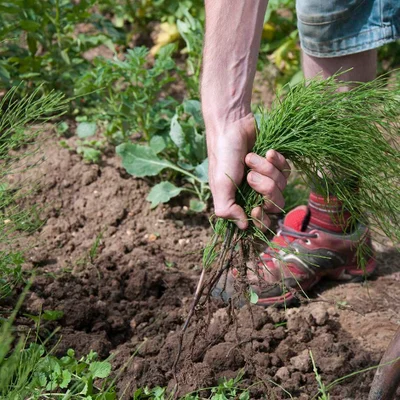

Every homesteader eventually faces the same decision in the garden: reach for a synthetic chemical spray, or find a natural way to deal with the weeds and pests threatening a season of hard work. Most of the effective natural methods use ingredients that are already sitting in the kitchen or pantry, cost far less than commercial products, and avoid introducing synthetic chemicals into soil that is growing food for your own table.
This guide covers the most reliable natural approaches to both weed control and common garden pests, along with the specific ratios and application methods that make them actually work rather than just sound good in theory.
Natural Weed Control That Actually Works
Weeds compete with garden plants for water, nutrients, and light, and letting them get established early in the season makes the rest of the year considerably harder. Natural weed control focuses on disrupting weeds before they take hold rather than fighting an uphill battle later.
Vinegar-Based Weed Killer
Household vinegar, especially at higher concentrations sold specifically for gardening use, is one of the most effective natural herbicides available. Its acidity draws moisture out of plant tissue on contact, which works particularly well on young weeds with less developed root systems.
• 1 gallon white vinegar, ideally a higher-strength horticultural vinegar if your garden supply store carries it
• 1 cup salt
• 1 tablespoon dish soap, which helps the mixture stick to leaf surfaces instead of running off
Mix and apply directly to weed foliage on a sunny day, avoiding any desirable plants nearby, since this mixture cannot distinguish between a weed and a vegetable seedling. It works best on young, actively growing weeds, and mature weeds with established root systems may need a second application.
Because this method relies entirely on vinegar’s acidity, it is worth knowing how long an opened bottle actually stays effective in storage. If you have ever wondered does vinegar go bad, the good news is that vinegar remains stable and effective for years past any printed date, so a bottle purchased for kitchen use works just as well for this purpose even if it has been sitting in the pantry for a while.
Boiling Water for Spot Treatment
For weeds growing in cracks, pathways, or gravel areas where you have no nearby plants to protect, plain boiling water poured directly onto the weed is a completely chemical-free option that kills on contact by damaging plant cell structure instantly.
Mulching to Prevent Weeds Before They Start
The most effective long-term weed control is preventing germination in the first place. A thick layer of straw, wood chips, or leaf mulch blocks the sunlight weed seeds need to sprout, while also retaining soil moisture and slowly breaking down to improve soil structure over time.
Natural Pest Control for Common Garden Invaders
Garden pests range from small nuisances to season-ending infestations, and natural control methods generally work best when applied early and consistently rather than after an infestation has already taken hold.
Soap Spray for Soft-Bodied Insects
Aphids, spider mites, and other soft-bodied pests are vulnerable to a simple soap spray that disrupts their outer membrane on contact.
• 1 tablespoon mild liquid dish soap
• 1 quart water
Spray directly onto affected leaves, focusing on the undersides where these pests commonly cluster. Reapply every few days until the infestation clears, and always test on a small section of the plant first, since some sensitive plants can react poorly to soap sprays.
Diatomaceous Earth for Crawling Insects
Food-grade diatomaceous earth is a natural powder made from fossilized algae that damages the exoskeletons of crawling insects like ants, slugs, and beetles. Dust it lightly around the base of affected plants, and reapply after rain, since it loses effectiveness once wet.
Companion Planting to Deter Pests Naturally
Certain plants naturally repel specific pests when planted alongside vulnerable crops, reducing the need for any spray at all.
• Marigolds planted near tomatoes help deter nematodes and some flying insects
• Basil planted near tomatoes is said to improve pest resistance and flavor
• Nasturtiums act as a trap crop, drawing aphids away from more valuable plants
• Garlic and onions planted throughout a garden bed help repel a range of common pests with their strong scent
Companion planting works best as a preventive layer alongside other methods rather than a complete solution on its own, but it meaningfully reduces pest pressure over a full growing season.
Neem Oil for Persistent Infestations
Neem oil is a plant-derived pesticide effective against a wide range of pests, including aphids, whiteflies, and mites, while remaining significantly gentler on beneficial insects than most synthetic alternatives.
• 2 teaspoons neem oil
• 1 teaspoon mild liquid soap, which helps the oil emulsify in water
• 1 quart water
Apply in the early morning or evening rather than in full sun, since neem oil can cause leaf burn if applied during the hottest part of the day.
Building a Natural Garden Defense System
The most effective natural gardens rarely rely on a single method. A combination of mulching to prevent weeds, companion planting to reduce pest pressure, and targeted sprays for the problems that do slip through gives you multiple layers of defense without introducing synthetic chemicals into soil that is ultimately growing your own food.
Start with prevention, mulching beds early and choosing companion plants intentionally, and keep the reactive treatments like soap spray and vinegar weed killer on hand for the problems that inevitably show up anyway. A garden managed this way stays productive season after season without the ongoing cost or chemical exposure that comes with relying on synthetic products.