


Ceiling lights are one of the most fundamental elements of interior design, playing a dual role as both functional fixtures and decorative accents. They illuminate spaces, influence the mood of a room, and often serve as statement pieces that reflect personal style and architectural character. From sleek recessed lighting that disappears into the ceiling to grand chandeliers that command attention, ceiling lights come in a wide array of types, materials, and styles. Understanding these differences helps homeowners, designers, and architects make informed choices when creating balanced and beautiful interiors.
Types of Ceiling Lights
Ceiling lights are available in many forms, each suited to particular spaces, lighting needs, and design goals.
Flush Mount Ceiling Lights
Flush mounts sit directly against the ceiling with no gap. They are ideal for rooms with lower ceilings where hanging fixtures could obstruct movement. Common in hallways, bedrooms, and kitchens, Flush Ceiling Lights provide widespread illumination. Modern flush mounts often feature minimalistic designs, while traditional versions may incorporate decorative trims or frosted glass domes.
Semi-Flush Ceiling Lights
Semi-flush light fixtures hang a few inches below the ceiling, striking a balance between flush mounts and hanging pendants. This design allows for more decorative variety while still being practical for spaces with medium ceiling heights. Semi-flush ceiling lights often feature multiple bulbs, intricate frames, or diffusers that cast patterned shadows.
Chandeliers
Chandeliers are iconic ceiling lights, traditionally associated with elegance and luxury. They consist of branched arms supporting multiple bulbs, often adorned with crystals, glass drops, or metal accents. Today, chandeliers are not limited to formal dining rooms; modern minimalist versions suit contemporary kitchens, bedrooms, and even bathrooms.
Pendant Lights
Pendants hang from cords, chains, or rods, providing focused illumination. They work well over kitchen islands, dining tables, and entryways. Pendants can be small and simple or large and dramatic, and they are frequently used in clusters or rows for greater visual impact. Drum pendants, globe pendants, and lantern pendants are popular subcategories.
Recessed Lighting
Also known as downlights or can lights, recessed lighting is installed within the ceiling itself, offering a clean, unobtrusive look. These fixtures are ideal for modern, minimalist spaces or rooms where ambient light is needed without distracting from other design elements. Adjustable recessed lights, often called “eyeball” or “gimbal” lights, allow for directional focus.
Track Lighting
Track lights consist of multiple adjustable heads mounted on a single track system. They are versatile, as the heads can be repositioned to highlight artwork, workspaces, or architectural features. Track lighting is a favourite in modern and industrial interiors due to its flexibility and linear design.
LED Panels and Modern Fixtures
Slim LED panels and contemporary ceiling lights are increasingly popular for energy efficiency and sleek aesthetics. These fixtures often come in square or round designs that provide even, glare-free illumination—ideal for offices, kitchens, and living rooms.
Materials Used in Ceiling Lights
The material of a ceiling light impacts not only its durability but also its style and how it interacts with light.
Metal
Metal is one of the most common materials, used for frames, shades, and detailing. Options like brass, bronze, chrome, stainless steel, and black matte finishes allow for a wide range of aesthetics—from vintage charm to industrial ruggedness to modern elegance. Brass and bronze exude warmth, while chrome and polished nickel offer sleek sophistication.
Glass
Glass is often used for shades, diffusers, or decorative accents. Frosted glass provides soft, diffused light, while clear glass allows for maximum brightness. Textured or coloured glass adds an artistic touch, commonly seen in Tiffany-style lamps or mid-century designs.
Crystal
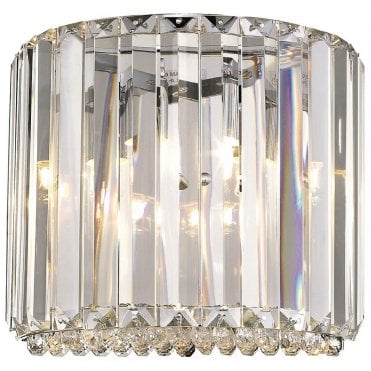
Crystal chandeliers remain timeless symbols of opulence. High-quality cut crystal refracts light beautifully, creating sparkling patterns. While once reserved for formal settings, crystal accents are now used in modern and transitional designs for a touch of glamour.
Wood
Wooden ceiling lights bring warmth and natural texture into interiors. They are commonly found in rustic, Scandinavian, or bohemian styles. Light woods like oak and ash pair well with airy spaces, while darker tones such as walnut add richness.
Fabric
Fabric shades, typically used in pendant lights and semi-flush mounts, soften illumination and create a cosy ambiance. Linen, cotton, and silk are common materials, with patterns and textures offering additional customization.
Acrylic and Plastic
Acrylic and other synthetic materials are lightweight and versatile, often used in contemporary or budget-friendly fixtures. These materials can mimic glass or metal while offering greater durability and easier maintenance.
Natural Materials
Rattan, bamboo, and woven fibres are increasingly popular, particularly in eco-friendly and casual interiors. These materials add organic character and a handcrafted feel, complementing coastal or tropical themes.
Styles of Ceiling Lights
Ceiling lights are deeply influenced by design trends and architectural styles. Choosing the right style helps ensure harmony within a space.
Traditional Ceiling Lights
Traditional ceiling lights emphasize ornate details, curved lines, and classic finishes like bronze, gold, and antique brass. Chandeliers with crystal drops, glass domes, and scroll-like arms fit well in formal dining rooms and historic homes.
Modern and Contemporary Ceiling Lights
Modern lighting focuses on simplicity, clean lines, and innovative forms. Contemporary ceiling lights often use geometric shapes, polished finishes, and integrated LED technology. Minimalist pendants, sculptural chandeliers, and flush panels are prime examples.
Industrial Ceiling Lights
Inspired by factories and warehouses, industrial ceiling lights showcase raw materials like exposed bulbs, iron, steel, and unfinished wood. Pendant clusters with cage-like frames and black matte finishes embody this rugged style, making them popular in loft apartments and urban interiors.
Rustic and Farmhouse Ceiling Lights
Rustic fixtures embrace natural textures, distressed finishes, and earthy tones. Farmhouse lighting often incorporates wood beams, mason jars, wrought iron, or lantern-inspired pendants. These designs add warmth and character to kitchens and living areas.
Mid-Century Modern Ceiling Lights
This style, popularized in the 1950s and 60s, features bold shapes, sputnik chandeliers, globe pendants, and brass accents. Mid-century lights balance retro charm with timeless appeal, fitting seamlessly into eclectic or modern homes.
Transitional Ceiling Lights
Transitional ceiling lights blend traditional elegance with contemporary simplicity. They often feature clean frames with subtle ornamentation, neutral finishes, and versatile forms. This makes them suitable for a wide range of interiors.
Art Deco Ceiling Lights
Art Deco lights are characterized by geometric patterns, luxurious materials, and symmetrical designs. Fixtures may include chrome, glass, and mirrored surfaces, offering a glamorous yet structured aesthetic.
Bohemian and Eclectic Ceiling Lights
Bohemian lighting embraces creativity, often combining colourful shades, natural fibres, and unconventional shapes. These fixtures work well in eclectic interiors, where individuality and artistic expression are celebrated.
Choosing the Right Ceiling Light
Selecting the right ceiling light requires considering both functional and aesthetic factors:
- Ceiling Height: Low ceilings benefit from flush or semi-flush mounts, while tall ceilings allow for dramatic chandeliers and pendants.
- Room Function: Kitchens and workspaces need brighter, task-oriented lighting; living rooms and bedrooms benefit from softer, ambient illumination.
- Room Size: Larger rooms often require layered lighting solutions or statement fixtures to avoid dark corners.
- Design Harmony: The material and style of the fixture should complement furniture, wall finishes, and overall décor.
Conclusion
Ceiling lights are far more than simple sources of illumination—they are integral design elements that define atmosphere, highlight architectural details, and express personal taste. With countless types, materials, and styles to choose from, ceiling lighting can be tailored to suit any space, whether it’s a cosy bedroom, a modern office, or a grand dining hall. By understanding the variety available, homeowners and designers can create lighting schemes that are both functional and beautiful, ensuring every room shines in its best light.