

When we examine what drives human behavior, particularly in professional and personal development contexts, three fundamental elements emerge as especially significant: personality, motivation, and values. While often studied separately, these three dimensions form an intricate web of influence that shapes how we perceive the world, make decisions, and ultimately behave. Understanding their interconnection provides profound insights into why we do what we do and how we might better align our lives with our authentic selves.
Personality: The How of Behavior
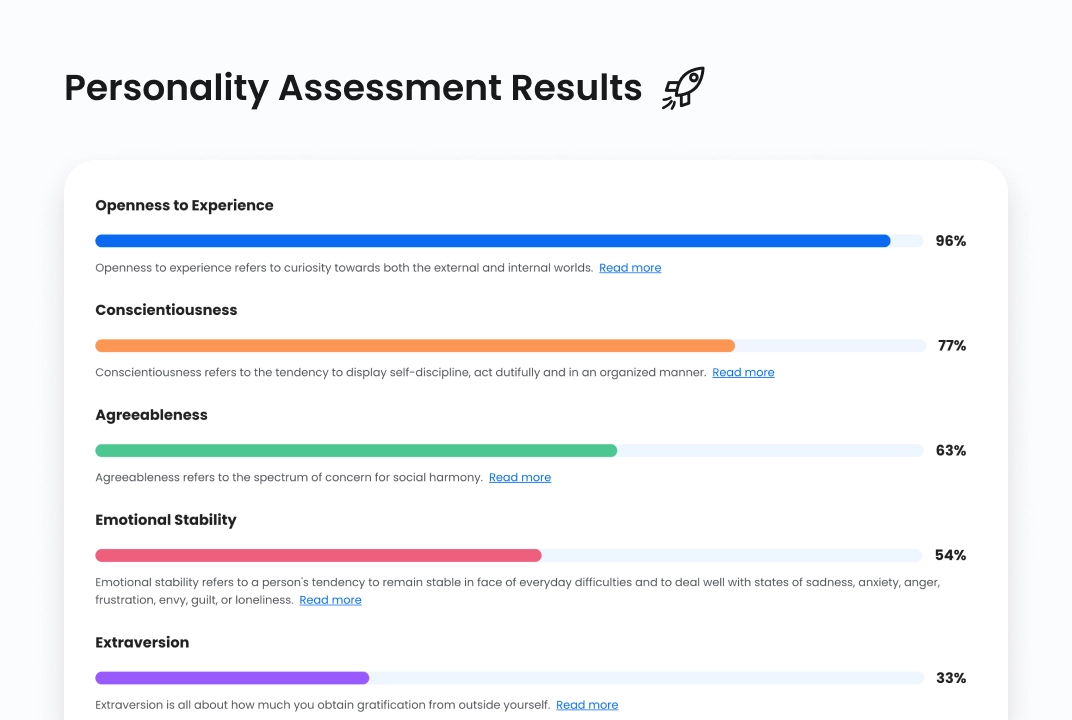
Personality represents our characteristic patterns of thinking, feeling, and behaving. It’s the relatively stable set of traits that makes each of us recognizably ourselves across different situations and throughout our lives. Whether measured through frameworks like the Big Five (openness, conscientiousness, extraversion, agreeableness, and neuroticism) or other personality assessments, these traits influence how we approach challenges, interact with others, and process information.
For example, someone high in openness to experience might naturally seek novel situations and creative solutions, while someone high in conscientiousness might excel at detailed planning and consistent follow-through. Neither approach is inherently superior—they simply represent different ways of engaging with the world.
Motivation: The Why of Behavior
Motivation addresses the forces that energize, direct, and sustain our behavior. It answers the question of why we pursue certain goals and activities over others. Motivation can be broadly categorized as intrinsic (driven by internal satisfaction and enjoyment) or extrinsic (driven by external rewards or consequences), though the reality is often a complex blend of both.
When we assess our motivation, we’re essentially identifying what moves us to action—what gets us out of bed in the morning and keeps us engaged through challenges. For some, the primary motivators might be achievement and recognition; for others, connection and contribution; for still others, learning and growth.
Values: The What of Behavior
Values represent what we consider important or worthwhile in life. They’re the principles and standards that guide our decisions and define what matters to us. The PVQ values test and similar assessments help identify core values like self-direction, security, benevolence, or achievement.
Values function as our internal compass, influencing both the goals we set and the means we’re willing to employ to achieve them. When our actions align with our values, we experience congruence and satisfaction; when they conflict, we experience tension and dissatisfaction.
The Triangle of Interconnection
Rather than functioning as separate systems, personality, motivation, and values form a dynamic triangle of influence:
Personality Shapes Motivation
Our personality traits naturally predispose us toward certain motivational patterns. Someone high in extraversion might be more motivated by social recognition and collaborative achievements, finding energy in team environments. Someone high in openness might be particularly motivated by learning and exploration, quickly becoming bored with routine tasks.
These natural inclinations don’t determine our motivation, but they do create paths of least resistance. Understanding this connection helps explain why certain motivational approaches feel energizing while others feel draining, even when both might lead to successful outcomes.
Motivation Influences Value Development
While core values develop early through family influence and cultural context, our motivational experiences shape how our values evolve over time. When we’re repeatedly motivated to pursue certain goals and find satisfaction in their achievement, we often internalize the underlying values associated with those pursuits.
For example, someone consistently motivated by helping others might strengthen their valuing of benevolence and universalism. Someone consistently motivated by creative problem-solving might deepen their valuing of self-direction and stimulation.
Values Guide Personality Expression
Our values influence which aspects of our personality we choose to express and develop. Someone who deeply values tradition and conformity might moderate their natural openness in certain contexts, prioritizing stability over exploration. Someone who values achievement might work to strengthen their conscientiousness, even if it doesn’t come naturally.
This relationship explains why personality can show both stability and plasticity over time. The core traits remain relatively stable, but their expression evolves as our values and life circumstances change.
Personality and Values Shape Motivational Focus
Together, personality and values determine which motivations we’re likely to act upon when multiple possibilities exist. For instance, consider two individuals who both value achievement but differ in their personality profiles:
- The person high in agreeableness might pursue achievement through collaborative projects and team success
- The person high in extraversion might seek achievement through visible leadership roles and public recognition
Both are motivated by achievement and value success, but their personality differences lead them to pursue this motivation in distinctly different ways.
Practical Applications of the Interconnection
Understanding the interconnection between personality, motivation, and values has several practical applications:
Self-Development
Comprehensive self-assessment requires examining all three dimensions and their interrelationships. A quick personality test might reveal your natural tendencies, but understanding how these tendencies interact with your values and motivational patterns provides a much richer picture of your authentic self.
For example, discovering you’re highly conscientious (personality) but primarily motivated by creative expression (motivation) while deeply valuing innovation (value) might explain why you feel frustrated in roles that emphasize rule-following over improvement.
Career Alignment
Career satisfaction depends on alignment across all three dimensions. A role might suit your personality but conflict with your values, or it might align with your values but fail to tap into your core motivations. Optimal fit requires congruence across the triangle.
When evaluating career options, consider not just whether the work matches your skills and personality, but whether it allows expression of your values and connects to your authentic motivations.
Team Dynamics
Teams function most effectively when members understand not just what others do well (personality) but what drives them (motivation) and what matters to them (values). This understanding builds empathy and enables more effective collaboration.
For example, recognizing that a colleague’s attention to detail stems not just from conscientiousness but from deeply valuing accuracy and being motivated by excellence can transform potential friction into appreciation.
Leadership Development
Effective leaders understand their own personality-motivation-values triangle and how it influences their leadership style. They also recognize that followers have unique triangles requiring different approaches to engagement and development.
A leader who can speak to both the what (values), why (motivation), and how (personality) of initiatives creates more comprehensive buy-in than one who addresses only one dimension.
Assessing the Triangle
Several approaches can help you understand your own personality-motivation-values triangle:
Formal Assessments
- Personality: Big Five inventories, MBTI, and other scientifically validated personality assessments
- Values: PVQ values test, Rokeach Value Survey, and similar values inventories
- Motivation: Self-Determination Scale, Achievement Motivation Inventory, and other motivational assessments
Reflective Practices
Beyond formal assessments, personal reflection provides valuable insights:
- For personality: When do you feel most naturally yourself? What activities energize rather than drain you?
- For motivation: What keeps you engaged when external rewards are absent? When have you persisted despite obstacles?
- For values: What achievements bring lasting satisfaction? What behaviors in others do you most admire or criticize?
Behavioral Analysis
Examine your actual behavior for patterns that reveal your triangle:
- How do you spend discretionary time and resources?
- What causes strong emotional reactions, either positive or negative?
- When do you find yourself in flow states of deep engagement?
- What accomplishments do you highlight when describing yourself?
Integration and Growth
While personality traits show relative stability throughout life, motivation patterns and value priorities can evolve significantly. This creates opportunities for intentional development and integration:
Expanding Personality Expression
Rather than trying to change core personality traits (which is difficult and often counterproductive), focus on expanding the range of expression within your natural tendencies. A highly introverted person can develop skills for effective social interaction while still honoring their need for solitude and reflection.
Refining Motivational Focus
As self-awareness increases, you can cultivate motivational patterns that better serve your values and leverage your personality strengths. This might mean shifting from primarily extrinsic to more intrinsic motivations, or from achievement-focused to contribution-focused drivers.
Clarifying Value Priorities
Values often exist in tension with one another (e.g., tradition vs. change, self-direction vs. conformity). Greater self-awareness helps clarify which values take precedence in different contexts, reducing internal conflict and enabling more consistent decision-making.
Conclusion: The Power of Integration
When personality, motivation, and values work in harmony, we experience what psychologists call “self-concordance”—the sense that our actions express who we truly are. This integration contributes to both wellbeing and effectiveness, allowing us to bring our whole selves to our endeavors.
The journey toward this integration isn’t a one-time achievement but an ongoing process of discovery and refinement. As life circumstances change and we gain new experiences, aspects of our triangle may shift in emphasis or expression. What remains constant is the value of understanding these dimensions not in isolation but as an interconnected system that forms the core of our authentic selves.
By exploring your own personality-motivation-values triangle, you gain not just self-knowledge but self-direction—the ability to make choices that honor your nature, express what matters most to you, and channel your energy toward meaningful pursuits. In a world that often pushes toward conformity and external measures of success, this integrated self-understanding provides a compass for authentic living and purposeful contribution.