

I used to think learning singing online was kinda silly. Like, how can someone correct your voice through a screen? But then lockdown happened, reels happened, and suddenly Online vocal training was everywhere. Instagram coaches popping up, YouTube shorts of before–after vocals, and random Twitter threads arguing whether virtual classes ruin “real music.” Somewhere between binge-watching singing fails and trying to sing Arijit songs at 1 AM, I realized online singing classes aren’t as fake as I thought. They’re messy, very human, and honestly… kind of effective.
Also, side note, singing alone in your room is way less embarrassing than in a studio. You can crack a note and no one throws you that judgmental look. Big win.
The weird comfort of learning vocals from your bedroom
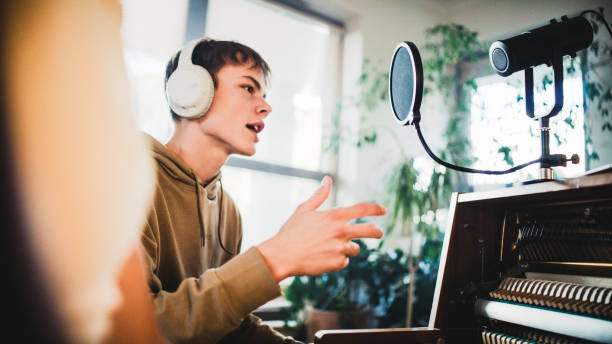
Here’s something no one tells you. When you learn singing offline, half your energy goes into not feeling awkward. You stand straight, breathe weirdly, overthink your face. Online, you’re in pajamas. You yawn between scales. You mute yourself when you mess up. That comfort actually helps beginners. I read somewhere (might’ve been a random Reddit comment so don’t quote me) that students practicing from home stick to routines almost 30 percent more than studio learners. Makes sense. No travel, no “I’m too tired today” excuse.
Plus, the internet has opinions. Lots of them. Scroll through comments on vocal coach reels and you’ll see people arguing about chest voice like it’s a political topic. That chatter actually helps because you realize everyone struggles. Your voice cracking isn’t special. It’s normal.
Money talk, but not boring money talk
Let’s be honest, singing lessons can be expensive. Offline classes sometimes feel like gym memberships you barely use. You pay, attend twice, then disappear. With Online vocal training, pricing is usually flexible. Monthly plans, recorded lessons, hybrid stuff. It’s like Netflix but for your voice. You can pause, replay, cringe at yourself, repeat.
Financially, it’s like buying a bicycle instead of a car when you’re learning to ride. Same destination, fewer dents. I once paid for a fancy offline class and quit in three weeks. With online lessons, quitting feels less dramatic, so you actually don’t quit.
Songs matter more than you think and people mess this up a lot
Most beginners pick songs based on vibes. “I like this song so I’ll sing it.” Bad idea. I learned that the hard way trying to sing Adele when my voice clearly belonged somewhere between bathroom humming and low-key indie whispering. Coaches online keep shouting about song selection, and they’re right.
Choosing songs that fit your voice is like wearing shoes your size. You can force smaller ones, sure, but you’ll limp. Good platforms actually guide you through this part, especially when it comes to understanding your vocal range without making it sound like science class. That’s something offline teachers sometimes rush through.
Internet myths, hot takes, and half-true facts
There’s a popular myth floating around that online lessons can’t correct pitch properly. Not fully true. With good mics and headphones, teachers hear everything. Maybe even more than in noisy studios. Another lesser-known thing, according to a small survey I saw on a music forum, students practicing with recordings improve pitch consistency faster because they can compare takes. Kinda like hearing your own WhatsApp voice note and wondering who that person is.
Also, online coaches are weirdly honest. Probably because distance makes people blunt. I once got told, “That note wasn’t bad, but it wasn’t good either.” Harsh. Helpful. I practiced more after that.
Social media pressure but in a good way
TikTok singers are annoying and motivating at the same time. You watch a 15-second clip and think, wow, they improved so fast. Then you read comments and realize they trained for years. Online communities push you. Not in a toxic way, mostly. People share progress clips, mess-ups, raw practice sessions. It removes that polished studio illusion.
This environment actually makes learning singing less sacred and more everyday. Like brushing teeth, but louder.
Discipline is still on you, sorry
I won’t lie. Online learning gives freedom, and freedom means procrastination. No teacher staring at you means you might skip warm-ups. I’ve skipped many. Paid for it later with a sore throat and bad notes. Online classes work best when you treat them seriously, even when no one’s watching.
That said, platforms that guide you in choosing songs for your vocal range make a big difference. Singing within your limits builds confidence. Confidence builds consistency. That’s how improvement sneaks up on you.
Ending thoughts that aren’t really an ending
If you’re waiting to sound perfect before starting, don’t. Nobody sounds good at first, not even those viral singers. Online learning just makes the bad phase more private and less expensive. By the time you understand your vocal range properly and stop fighting notes that hate you, singing becomes fun instead of stressful.
And honestly, if Online vocal training lets you sing badly in peace until you sing better, that’s already worth it.