


Most backcountry emergencies do not happen because people were reckless. They happen because something ordinary goes wrong at the wrong time, a fall on a wet trail, a twisted ankle three miles from the trailhead, a deep cut from a slip with a camp knife, and suddenly the person who was enjoying a weekend in the woods is facing a medical situation with no help nearby and no cell signal. Wilderness first aid is not about becoming a paramedic. It is about having the knowledge and supplies to stabilize someone until professional help can be reached, or in some situations, to manage a minor injury through to recovery entirely on your own.
This guide covers the foundational principles every hiker, backpacker, and outdoors person should know: how to build a functional first aid kit, how to assess an injured person, how to manage the most common backcountry injuries, and when to recognize the situations that require urgent evacuation.
Building Your Wilderness First Aid Kit
The first aid kit in your day pack from the drugstore is a good start, but it is not adequate for multi-day wilderness trips. A functional backcountry kit needs to address the injuries most likely to occur miles from help. Weight is a real consideration, so every item you carry should earn its place.
Wound Care Essentials
Wound care is the most common first aid need in the backcountry. You need the means to clean a wound thoroughly, close it if necessary, and protect it from contamination during the hours or days before you reach professional care. Saline irrigation syringes are the most effective tool for cleaning debris from wounds. Alcohol wipes and povidone-iodine solution address bacterial contamination. For closure, your kit should include steri-strips or wound closure strips, which are adequate for most lacerations encountered on trail, along with several sizes of adhesive bandage and non-stick gauze pads.
Deeper lacerations that gape open or continue to bleed through initial pressure dressings are the scenarios where improvised closure techniques and knowing when to seek help become critical. If a wound is cleaned and closed in the field and heals without infection, the next task you will face is knowing how to remove sutures or strips properly once healing is underway. For a detailed walkthrough of that process, the guide on how to remove sutures at Ask a Prepper covers the steps you need.
For wounds that require closure strips or improvisational suturing in the field, understanding the full wound care cycle matters. Knowing how to remove sutures safely at home, under good lighting and with proper tools, is the best preparation for managing the same situation in a more challenging environment.
Patient Assessment in the Backcountry
When someone is injured, your first job before touching the wound is to assess the overall situation. The mnemonic ABCDE covers the sequence: Airway, Breathing, Circulation, Disability (neurological status), and Exposure (exposing the injury to understand its extent). Do not let a dramatic-looking cut distract you from checking that the person is breathing, conscious, and not in shock.
Shock is the condition that kills in the backcountry when a dramatic injury distracts from systemic collapse. Signs of shock include pale, cool, clammy skin; rapid weak pulse; rapid shallow breathing; confusion or anxiety; and nausea. A person in shock needs to be kept warm, laid flat with legs elevated if no spinal injury is suspected, and evacuated as a priority regardless of what the visible injury looks like.
Managing Bleeding
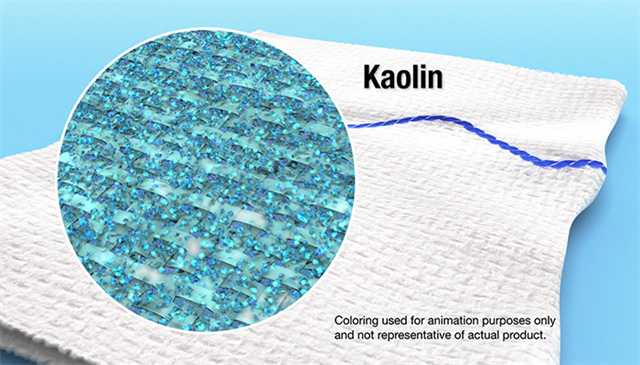
Direct pressure is the first and most effective tool for controlling bleeding from almost any wound. Apply firm, continuous pressure with a clean cloth or gauze pad for a full ten minutes by the clock before checking. Releasing pressure every two minutes to look at the wound is one of the most common mistakes people make. Modern hemostatic gauze such as QuikClot or Celox, which accelerate clotting through chemical action, are worth including in any backcountry kit for situations involving deep wounds or arterial bleeding.
Tourniquets, once considered a last resort because of their association with limb loss, are now recognized as life-saving tools when applied correctly and promptly for severe extremity bleeding. Commercial tourniquets like the CAT (Combat Application Tourniquet) are compact, effective, and should be in any serious backcountry kit. Apply two to three inches above the wound, tighten until bleeding stops, note the time of application, and do not remove it in the field.
Fractures and Sprains
Distinguishing a fracture from a severe sprain in the field without imaging is often impossible, and the practical management is similar for both: immobilize, protect, and evacuate if the person cannot bear weight or if the injury involves the lower extremity in terrain where self-rescue is not feasible. SAM splints are lightweight, moldable foam-and-aluminum splints that can immobilize almost any extremity and are a valuable addition to any serious kit.
Upper extremity fractures, particularly forearm and wrist injuries, are common from falls. A basic sling improvised from a bandana or the corner of a jacket can stabilize a forearm injury well enough for the person to walk out. Lower extremity fractures, particularly femur fractures, are serious, potentially life-threatening injuries due to blood loss into the thigh and require urgent evacuation.
Blisters and Foot Care
Blisters are the most frequently treated backcountry injury by sheer volume and one of the few that good preparation can largely prevent. Moisture-wicking socks, properly fitted footwear broken in before a long trip, and early detection of hot spots before they blister fully are the prevention strategy. Once a blister has formed, the decision to drain it or leave it intact depends on size and location. Large, tense blisters on high-pressure areas are often better drained with a sterilized needle and protected with a donut-shaped pad. Drain from the edge, preserve the roof, and keep the area clean and covered.
Infection Recognition and Response
In the backcountry, infection is a delayed threat that can turn a manageable injury into an evacuation emergency over the course of 24 to 48 hours. The classic signs of wound infection are increasing redness spreading beyond the wound margins, warmth, swelling, purulent discharge, and increasing pain after the initial acute phase has passed. Systemic signs including fever, chills, red streaking moving away from the wound (lymphangitis), and swollen lymph nodes indicate the infection is spreading and require urgent evacuation and antibiotic treatment.
Oral antibiotics are carried by some prepared backcountry travelers and guides for exactly this scenario. If you are spending significant time in remote locations, a conversation with your physician about carrying a broad-spectrum antibiotic for wound infection is reasonable.
Training and Practice
Reading about wilderness first aid builds knowledge. Hands-on training builds competence. The Wilderness Medical Associates, the National Outdoor Leadership School, and SOLO Wilderness Medicine all offer Wilderness First Responder (WFR) and Wilderness First Aid (WFA) courses that provide structured, scenario-based training. Even a 16-hour Wilderness First Aid course produces measurably more capable responders than no training at all. If you spend significant time in the backcountry, this investment in training is as important as any gear you carry.
First aid knowledge decays without practice. Running through scenarios at home, reviewing your kit periodically, and keeping your skills current through refresher courses every two to three years keeps your response instinctive rather than hesitant in the moments when it matters.