

Key Takeaways
- Set a specific goal and spending limit before entering the show.
- Use a want list to focus your time and compare similar coins.
- Inspect surfaces, strike, luster, and eye appeal, not only the grade on a label.
- Ask dealers clear questions and record details before making a purchase.
- Practice courteous table etiquette and protect purchases before leaving.
Whether you collect Morgan dollars, modern Mint issues, ancient coins, paper currency, or bullion, a Tennessee coin show can give you something an online listing cannot: the chance to compare items in person and speak directly with knowledgeable people. For collectors planning a Nashville-area visit, the list of coin dealers at Tennessee coin expo from International Money Exposition, LLC is a useful planning resource. The page explains the company’s Nashville, Tennessee coin and money expo format, dealer participation, and collector access, making it relevant for anyone preparing to browse, buy, sell, or trade at a major regional event. International Money Exposition, LLC organizes numismatic events in Nashville that bring together dealers, collectors, currency specialists, and bullion professionals. A larger show can be exciting, but it can also feel busy and unfamiliar. A simple plan helps you enjoy the energy of the bourse floor without making rushed decisions.
Why Coin Shows Still Matter
A show lets you place several examples of the same type side by side. That matters because coins with the same date and stated grade may differ in color, luster, marks, strike, and overall appeal. The U.S. Mint’s collecting basics also provide a useful foundation for choosing a collecting theme and understanding terms such as mint mark, wear, and grading. For new collectors, a show is as much a learning opportunity as a shopping trip.
Set A Clear Goal Before You Arrive
Define what a successful day looks like. You may want one affordable type coin, information about inherited pieces, a specialist’s opinion on a series, or practice using a loupe. Set a maximum spending amount that fits your personal finances, then leave room for sales tax, supplies, admission, parking, or an unexpected opportunity.
Questions To Answer First
- Which series, date range, or denomination is my priority?
- Am I buying, selling, researching, or meeting dealers?
- What grades and price ranges am I prepared to consider?
- Which displays, services, or educational sessions matter most?
Build A Simple Coin Show Kit
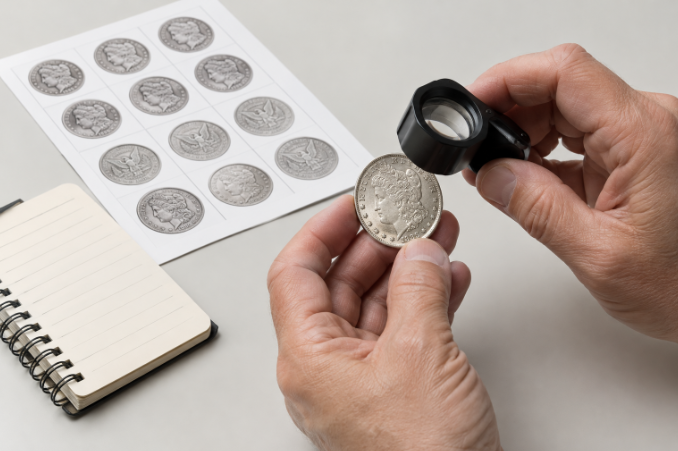
Bring tools that make careful observation easier without overpacking. A 10x loupe, a notebook or phone note, a printed want list, water, comfortable shoes, and a discreet protective pouch are usually enough. Include target dates, mint marks, grades, and prices on your list. If a dealer permits handling, hold raw coins only by their edges and avoid touching the surfaces.
Plan Your Route Around The Floor
At a Nashville show, resist the urge to spend your budget at the first attractive case. Start with a complete walk-through to identify specialists, exhibits, and services. On a second pass, examine coins that match your want list and note the dealer, exact description, and asking price. On a final pass, return to the strongest options after you have comparisons.
Compare Coins Before Buying
Look beyond the date and label. Examine whether the coin has distracting marks, uneven toning, weak design detail, corrosion, or signs of cleaning or alteration. Consider whether it appeals to you personally. A coin may be technically acceptable while still being a poor fit for your collection goals.
Details Worth Comparing
- Date, mint mark, variety, and certification information.
- Wear, contact marks, luster, color, and strike quality.
- Signs of damage, repair, cleaning, or environmental problems.
- Asking price, return terms, and how the coin compares with similar examples.
Ask Dealers Better Questions
Questions create useful conversations and can help you understand a coin’s market position. Ask how the dealer arrived at the price, whether similar examples are available, whether the piece has known problems, and what references they recommend for the series. The American Numismatic Association’s guidance for attending a first coin show also emphasizes taking time to learn, asking questions, and visiting multiple tables before making a purchase.
Check Price, Grade, And Condition
A show price is not automatically a bargain, nor is it automatically too high. Value can be affected by rarity, certification, demand, originality, eye appeal, and the particular coin’s condition. Write down the complete description before comparing examples. Review return terms before payment, especially when buying a higher-value item. If you feel pressured, step away and think it over.
Use Good Coin Show Etiquette
- Wait until a dealer finishes an active transaction before asking for help.
- Ask permission before removing a coin from a tray or case.
- Keep bags away from display cases and return items to the correct location.
- Do not block aisles or crowd other collectors at a table.
- Request a second opinion politely and ask before showing a coin to someone else.
Protect Your Purchases And Records
Keep receipts, invoices, certification details, and dealer contact information together. Record why you bought each coin, not just what you paid. Store the item in an appropriate holder, keep valuable purchases discreet as you leave the venue, and never clean or polish a coin without qualified guidance.
A Quick Before-You-Leave Checklist
- Confirm your total spending against your budget.
- Make sure each purchase has a receipt and clear return terms.
- Pack coins securely and keep them out of public view.
- Save notes about dealers, series, and coins you may revisit later.
Common Questions About Tennessee Coin Shows
Should A New Collector Attend A Large Show?
Yes, provided the goal is learning first. Focus on conversations, comparisons, and note-taking rather than feeling obligated to buy.
Is It Better To Buy Certified Or Raw Coins?
Certified coins provide third-party authentication and a stated grade. Raw coins can offer more opportunities for personal evaluation, but they require greater confidence in identifying condition and potential problems.
Can Collectors Sell Coins At A Show?
Many dealers buy coins or collections. Organize your items, bring available records, and seek more than one opinion when practical before accepting an offer.
Conclusion
A Tennessee coin show can help sharpen your collecting skills even if you leave without buying anything. Each visit gives you a chance to examine different coins, compare prices, learn from experienced dealers, and become more familiar with grading and authenticity. Before arriving, set a budget, identify the pieces you want to find, and research their typical market values. Take your time inspecting coins, ask questions when something is unclear, and avoid rushing into a purchase just because an item looks appealing. It is also important to respect dealers and fellow collectors, handle coins carefully, and keep records of any purchases, including prices and relevant details. These simple habits can help you make more informed decisions and recognize good opportunities as your knowledge grows. With a little preparation and patience, every Nashville-area coin show can become a valuable learning experience that makes collecting more enjoyable and helps strengthen your collection over time.